Recruiting & Retaining Hospice Volunteers:
Building a Stronger Program & Documenting Your Efforts
Where Compassion Finds Purpose
and Volunteers Find Meaning.

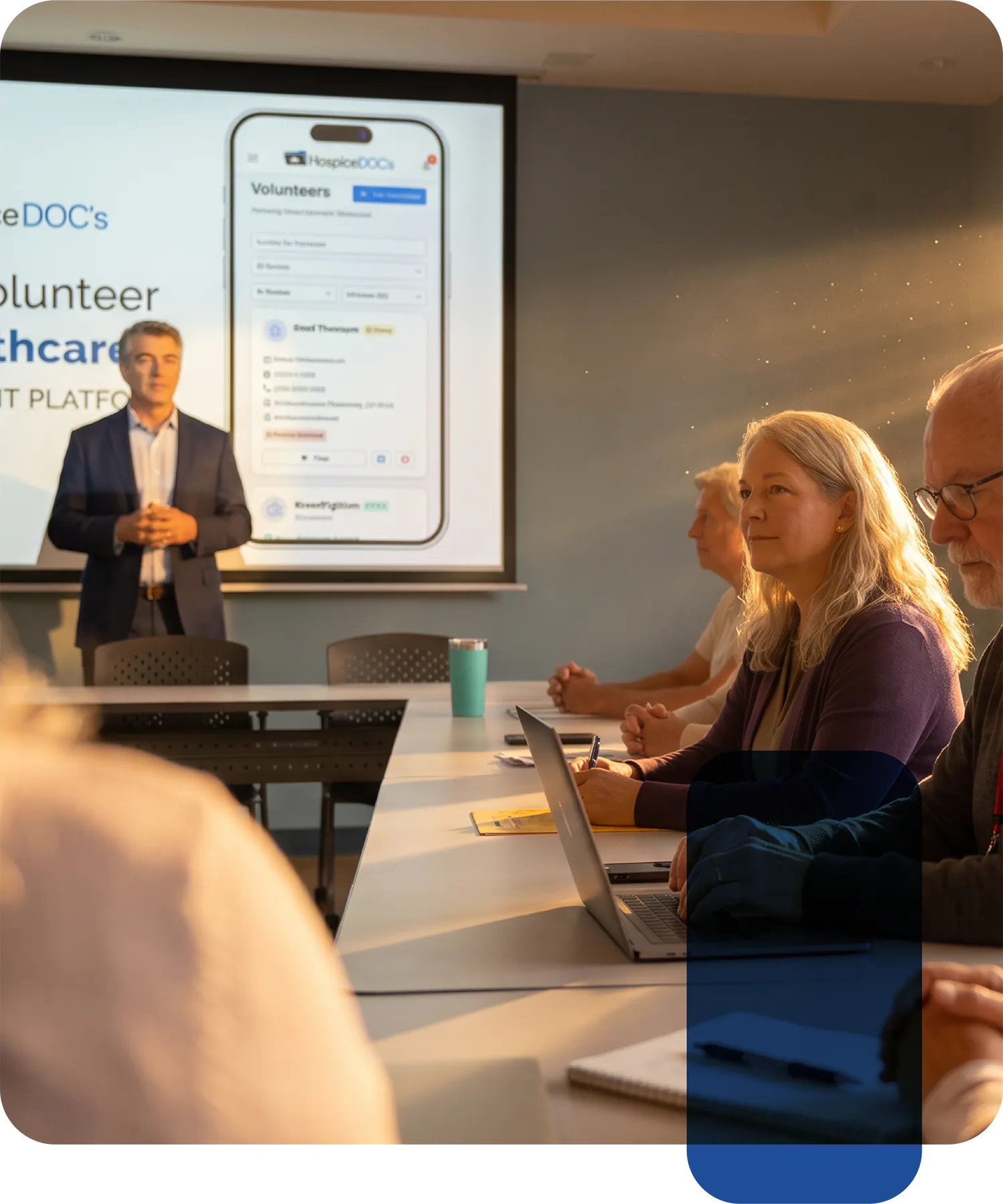
Stronger Volunteers.
Stronger Programs.
Better Hospice Care.
Recruiting hospice volunteers is essential to maintaining a strong volunteer program. But attracting people who want to help is only the beginning.
Hospice organizations must also prepare volunteers for their responsibilities, connect them with meaningful opportunities, maintain their engagement, and encourage them to remain active.
For volunteer coordinators, these responsibilities require ongoing attention alongside onboarding, training, scheduling, documentation, and reporting.
There is also an important regulatory consideration. Medicare-certified hospices must demonstrate ongoing efforts to recruit and retain volunteers. This means organizations need to do more than maintain an active volunteer roster. They also need to document the work being done to attract and support volunteers.
A successful hospice volunteer program is not simply one that recruits new volunteers. It is one that consistently brings people into the program, prepares them to serve, keeps them engaged, and maintains evidence of those efforts.

Build Recruitment
Around the People
You Want to Reach
Finding people willing to volunteer in hospice can be challenging. Unlike some volunteer opportunities, hospice service may involve emotionally demanding situations, specialized preparation, and a commitment to patients and families during a sensitive time.
Prospective volunteers may be interested in helping but unsure whether hospice volunteering is right for them. Effective recruitment begins with explaining the opportunities available and helping individuals understand how they can contribute.
Hospice volunteer programs can reach prospective volunteers through community organizations, colleges, faith-based groups, retirement communities, employee volunteer programs, and local events.
Digital outreach can also help. A hospice’s website, community social media pages, and volunteer opportunity listings can introduce the program to people who may not otherwise know that hospice volunteers are needed.

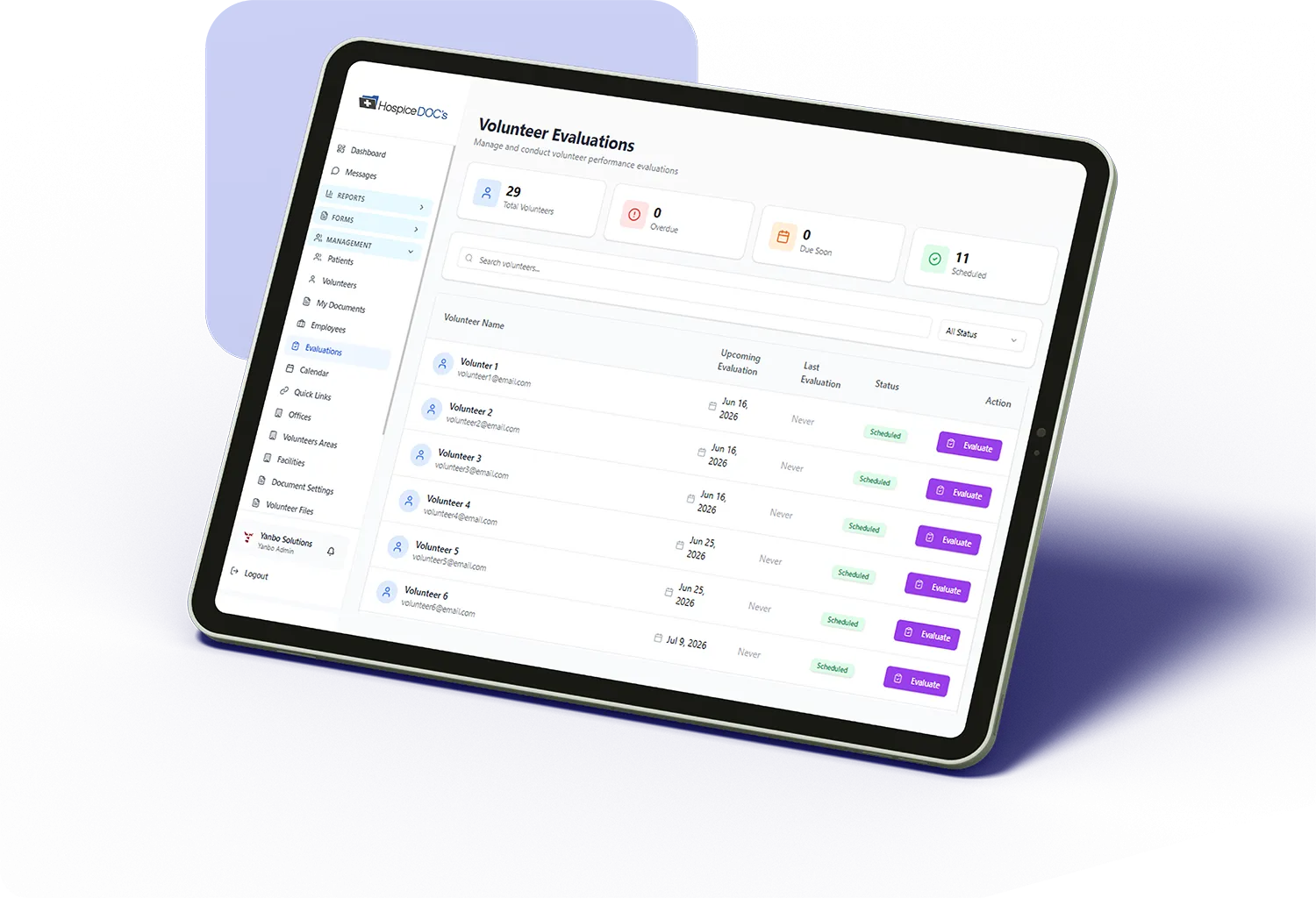

However, recruitment messaging should go beyond simply asking people to volunteer. It should communicate the types of opportunities available, the preparation volunteers receive, and the meaningful contribution they can make. For example, prospective volunteers may not realize that hospice volunteer opportunities can include administrative support as well as direct patient and family services.
Explaining these different roles can make hospice volunteering more approachable to people with different interests, skills, and comfort levels.
The more clearly an organization communicates what volunteering involves, the easier it becomes for prospective volunteers to recognize where they might fit.
Recruitment Doesn't End When
Someone Expresses Interest
Generating interest is an important achievement, but it does not automatically translate into active volunteers. Consider a hospice organization that receives fifteen volunteer inquiries following a community outreach event.
Each interested person may need additional information, an application, an interview or screening, orientation, training, documentation, and confirmation that they are ready for an appropriate assignment.
For the coordinator, those fifteen inquiries can quickly become dozens of administrative tasks. When follow-up is delayed or applicants are uncertain about the next step, initial enthusiasm may fade.
A structured process can help prevent interested individuals from becoming disconnected before they begin volunteering.
Coordinators should have a clear way to identify which applicants are waiting for follow-up, completing requirements, attending training, or ready to become active.
An organized onboarding process also makes it easier to communicate expectations and help prospective volunteers move through the required steps.
Recruitment should therefore be viewed as a process that extends from the first expression of interest through the volunteer’s readiness to serve.


A Positive Volunteer
Experience Starts
With Onboarding
For many people, volunteering in hospice is a new experience. They may have questions about patient interactions, confidentiality, emotional boundaries, available assignments, and what is expected of them.
A well-organized onboarding process helps volunteers develop confidence while ensuring they receive the preparation required for their roles.
Under 42 CFR §418.78(a), Medicare-certified hospices must maintain, document, and provide volunteer orientation and training consistent with hospice industry standards. Effective onboarding includes more than collecting documents and recording training completion. It should help volunteers understand the organization’s mission, the services they may provide, how assignments are coordinated, and where to turn when they need assistance.
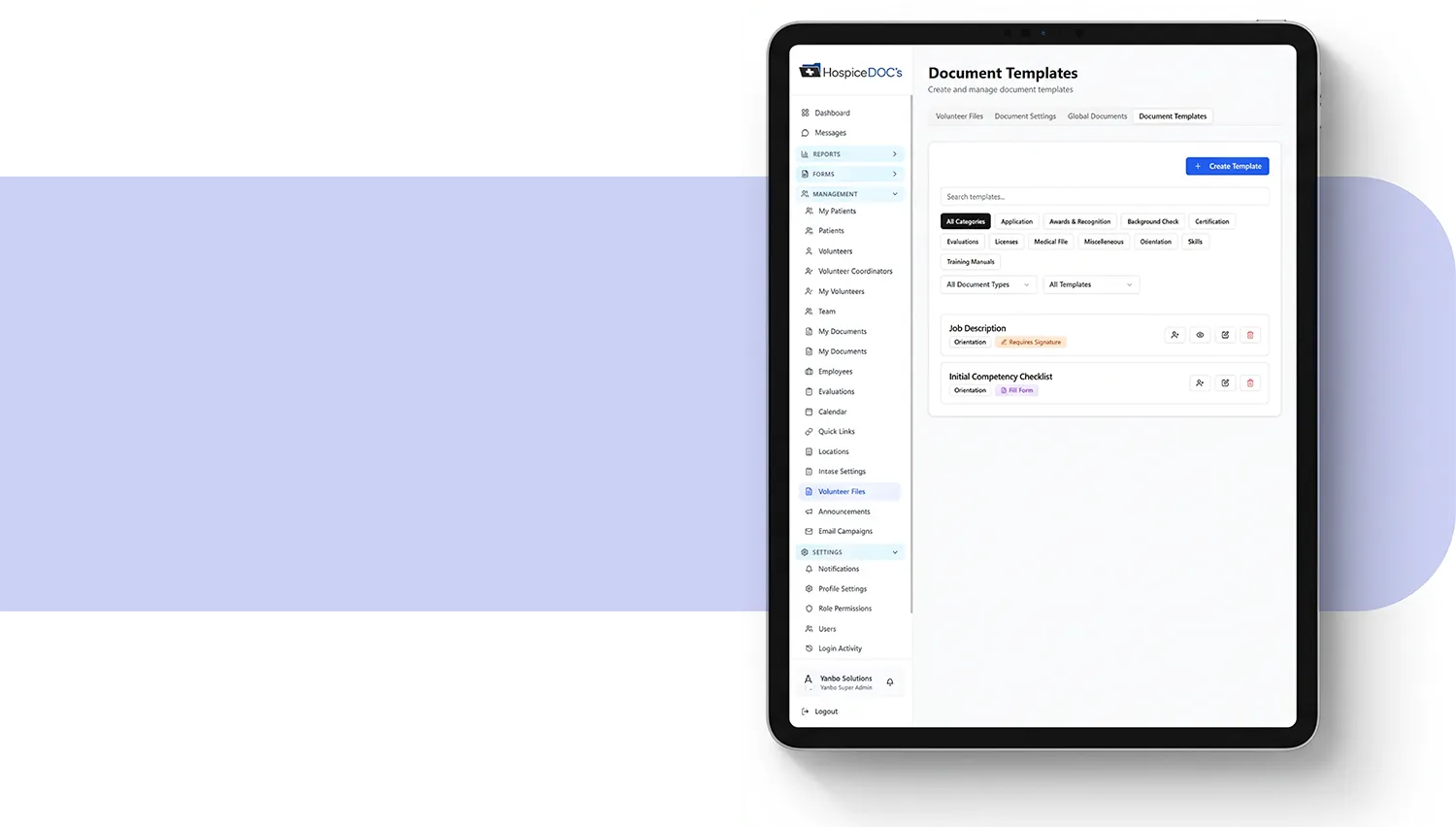
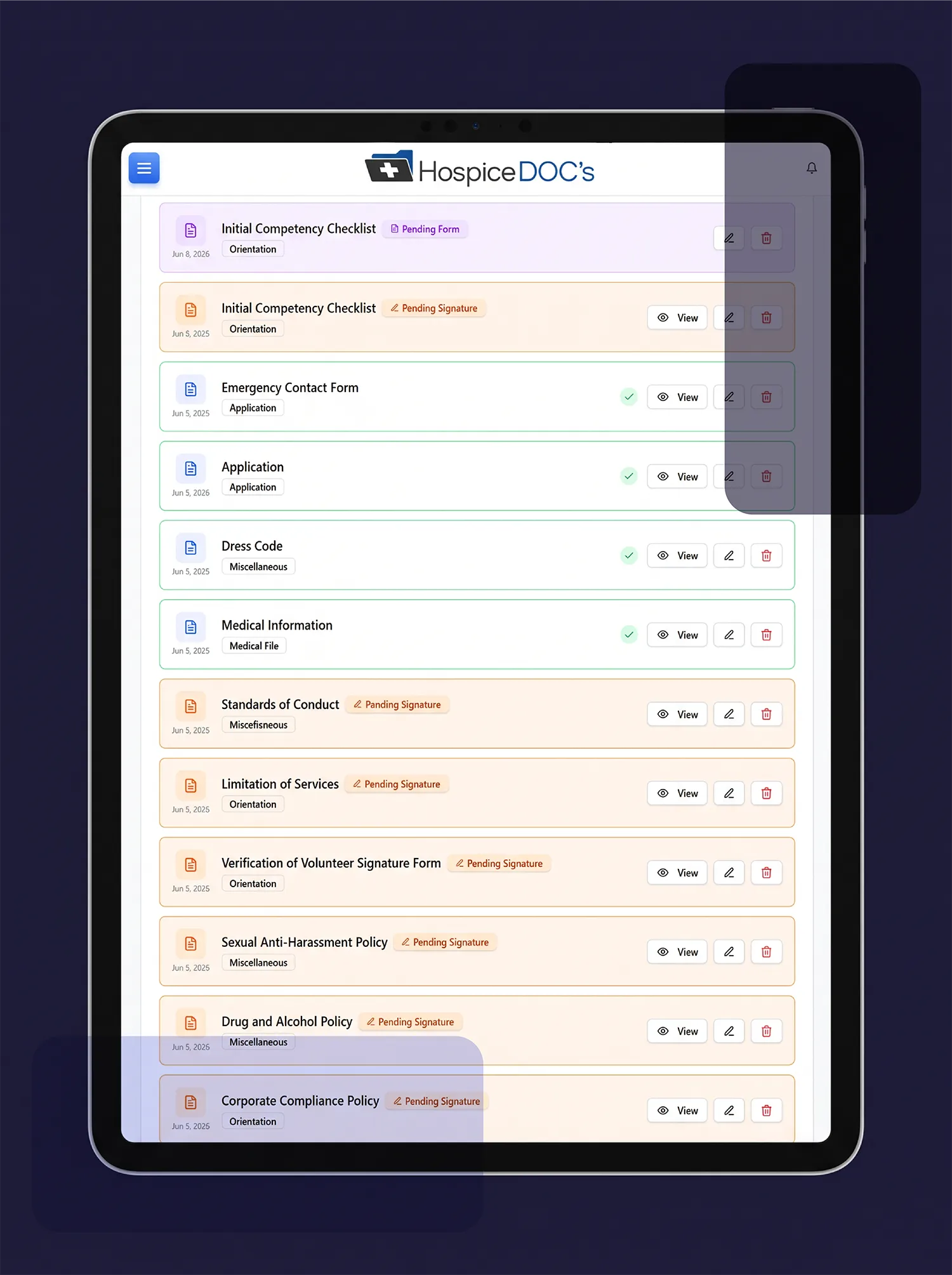
Coordinators also need to track required documentation, training, screening, and onboarding progress. When these activities are managed through separate files, emails, and spreadsheets, even determining who is ready to begin serving can require repeated checking and follow-up.
Keeping onboarding information organized helps coordinators maintain visibility into each applicant’s progress while providing volunteers with a more consistent experience.
A positive onboarding experience establishes the foundation for continued volunteer engagement.

Meaningful Assignments Help
Volunteers Stay Engaged
People volunteer for different reasons. Some have personal experiences with hospice and want to give back. Others seek opportunities to support their communities, connect with people, or contribute professional and personal skills. Volunteer retention often depends on whether individuals feel that their contributions are meaningful and that their time is respected.
A volunteer interested in companionship visits may not have the same preferences as someone who enjoys administrative tasks or supporting organizational activities. Coordinators need to understand those interests and match volunteers with appropriate opportunities.
Availability also matters. Volunteers may have changing schedules, family responsibilities, employment obligations, or other commitments that affect when they can serve. When assignments consistently conflict with availability or volunteers experience frequent scheduling confusion, participation can become more difficult to maintain.
A more organized scheduling process can help coordinators manage assignments, accommodate changes, and maintain clearer communication with volunteers. Meaningful engagement is not simply about keeping volunteers busy. It is about helping them contribute in ways that match their interests, preparation, and availability while meeting the needs of the hospice program.
Communication,
Recognition, & Follow-Up
Support Retention
Volunteer engagement requires ongoing attention after onboarding is complete. A volunteer who completes training but receives no assignment for several weeks may begin to lose interest. Another volunteer may become less active because their availability has changed or because they are uncertain about the opportunities available.
Without consistent follow-up, coordinators may not recognize these changes until participation has already declined. Regular communication provides opportunities to understand volunteer experiences, recognize concerns, and maintain connections.
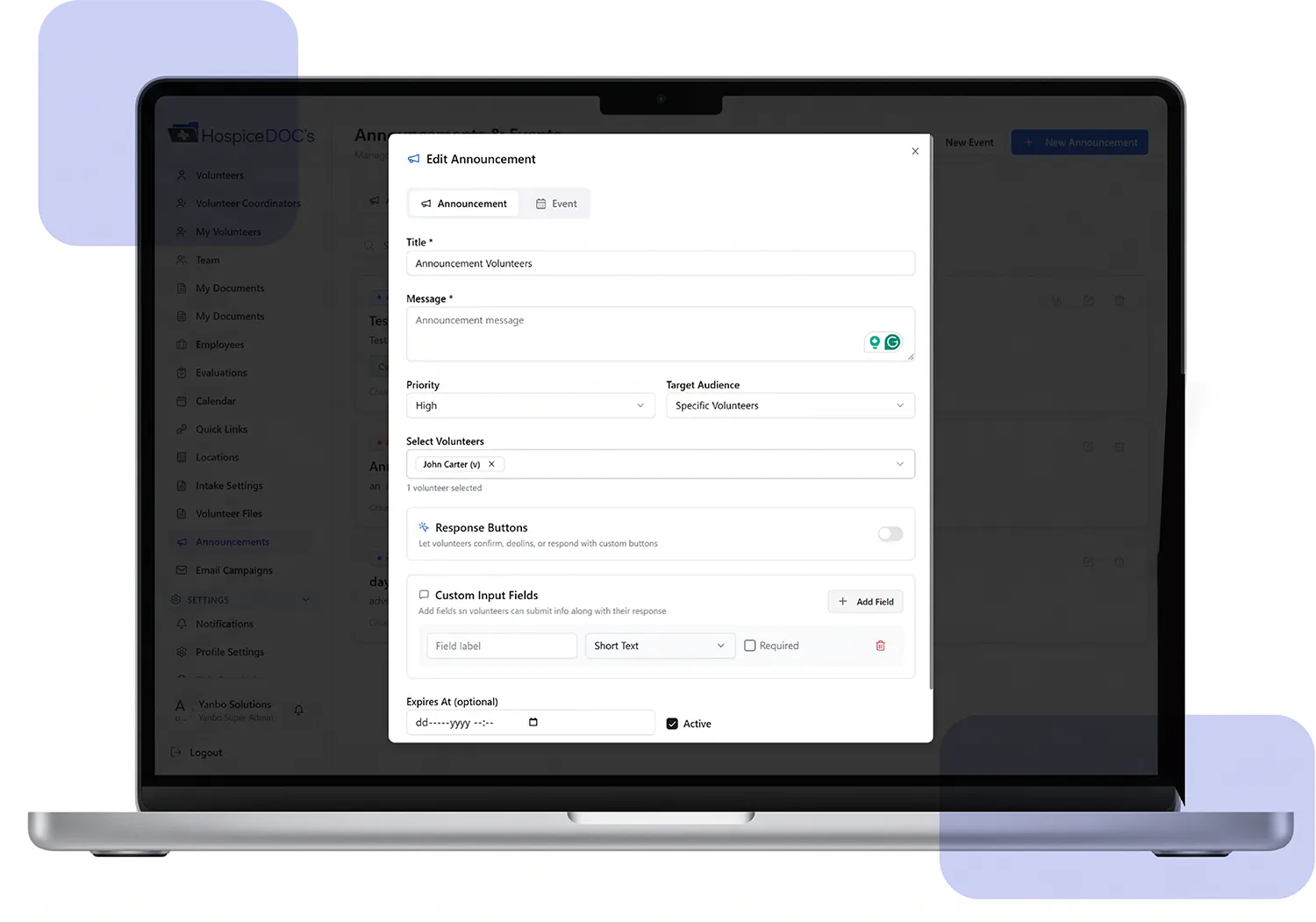
Hospice organizations can strengthen retention by checking in with volunteers, recognizing their contributions, offering appropriate continuing education, and providing opportunities for feedback.

Recognition does not always require elaborate events or formal awards.
A personal thank-you, acknowledgment of service, or conversation about the volunteer’s experience can help reinforce that their contribution is valued.
Coordinators can also benefit from reviewing volunteer participation over time.
Knowing which volunteers are active, which have not participated recently, and which may need additional support helps the organization take a more proactive approach to engagement.
Retention is not simply about keeping names on a volunteer roster. It is about maintaining relationships that encourage volunteers to remain involved.
Recruitment & Retention
Are Also Medicare
Requirements
Recruitment and retention are not solely organizational goals for Medicare-certified hospices.
Under 42 CFR §418.78(c), hospices must document and demonstrate viable, ongoing efforts to recruit and retain volunteers. This distinction is important. Having an established volunteer program or a certain number of active volunteers does not, by itself, demonstrate that an organization is making continuing efforts to recruit and retain volunteers.
A hospice may have dedicated volunteers who have served for several years. That is valuable, but the organization must also be able to show the activities it undertakes to maintain and develop its volunteer program.

During a survey, the hospice may be asked to produce supporting evidence of those efforts. That creates another responsibility for volunteer coordinators: maintaining documentation of recruitment and retention activities in addition to managing applicants and active volunteers.
The regulation does not prescribe one particular software application or universal set of forms for this purpose.
What matters is the organization’s ability to demonstrate that recruitment and retention efforts are viable, ongoing, and supported by appropriate evidence.
How to Document Ongoing
Recruitment & Retention Efforts
Recruitment activities often take place across several channels. A coordinator may attend a community event, speak with a local organization, distribute recruitment materials, publish a volunteer opportunity online, or communicate with prospective applicants.
Individually, these efforts may appear routine. Together, they help demonstrate how the organization is working to attract new volunteers. The challenge is that evidence of these activities may be scattered across emails, social media accounts, meeting notes, event materials, and personal records. A practical approach is to maintain an organized record of recruitment and retention efforts throughout the year.
Examples of Recruitment Documentation
A hospice may maintain:
- Dated copies of volunteer recruitment advertisements and social media posts.
- Records of participation in community events or volunteer fairs.
- Outreach correspondence with colleges, community organizations, faith-based groups, and other potential recruitment partners.
- Recruitment plans and related activity notes.
- Records of volunteer inquiries and applicant follow-up.
- Materials used during volunteer information sessions.
These documents help demonstrate that the organization is actively working to attract new volunteers.
Examples of Retention Documentation
Retention-related evidence may include:
- Records of volunteer recognition or appreciation activities.
- Continuing education and volunteer development opportunities.
- Volunteer feedback initiatives and documented follow-up.
- Engagement activities intended to maintain volunteer participation.
- Communications supporting continued volunteer involvement.
- Program planning records addressing volunteer retention.
These examples are not a prescribed Medicare checklist. They illustrate the kinds of evidence that may support an organization’s demonstration of ongoing recruitment and retention efforts.
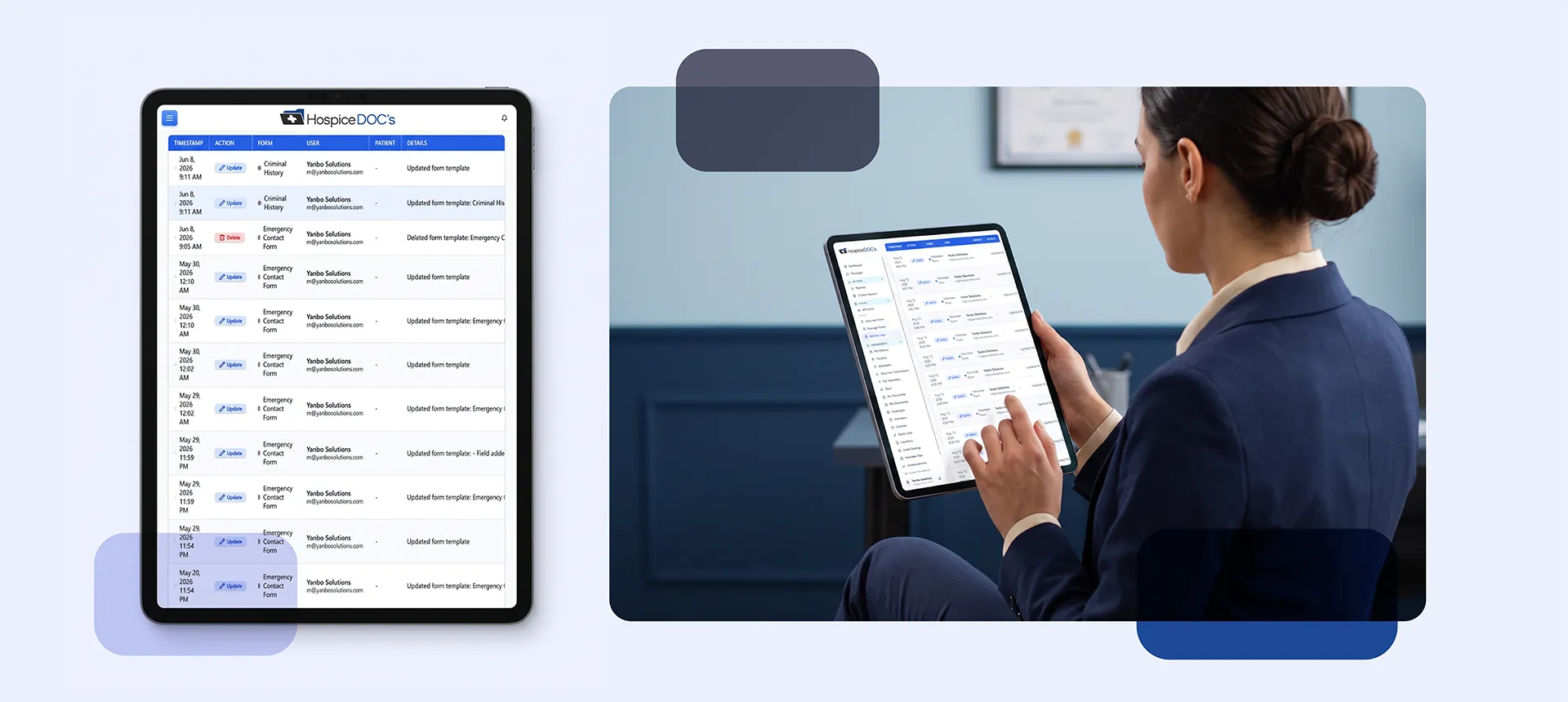
One practical method is to maintain a simple recruitment and retention activity log.
For each initiative, the coordinator could record the date, activity, intended audience, person responsible, and location of supporting documentation.
For example, an entry might identify a presentation at a community organization, the date it occurred, and where the presentation materials or correspondence are stored.
Maintaining evidence as activities occur reduces the need to reconstruct recruitment efforts months later.
The objective is not to create more paperwork. It is to make the work already being performed easier to demonstrate when needed.

Why Administrative
Efficiency Matters for
Recruitment & Retention
Volunteer coordinators are responsible for far more than recruitment.
Their responsibilities may include maintaining volunteer records, tracking training requirements, managing schedules, reviewing visit documentation, monitoring volunteer hours, completing evaluations, and preparing reports. Each activity is necessary, but together they can consume a considerable amount of time.

A coordinator who spends several hours reconciling volunteer records or preparing reports has fewer hours available for community outreach, contacting prospective applicants, and supporting existing volunteers.
For hospice organizations, that trade-off deserves attention. Ongoing recruitment and retention efforts are regulatory responsibilities, yet they compete for time with the administrative work required to manage the program.
Reducing repetitive administrative work creates an opportunity to devote more time to recruiting volunteers, building community partnerships, and maintaining engagement.
This is where an organized volunteer management system can make a difference.
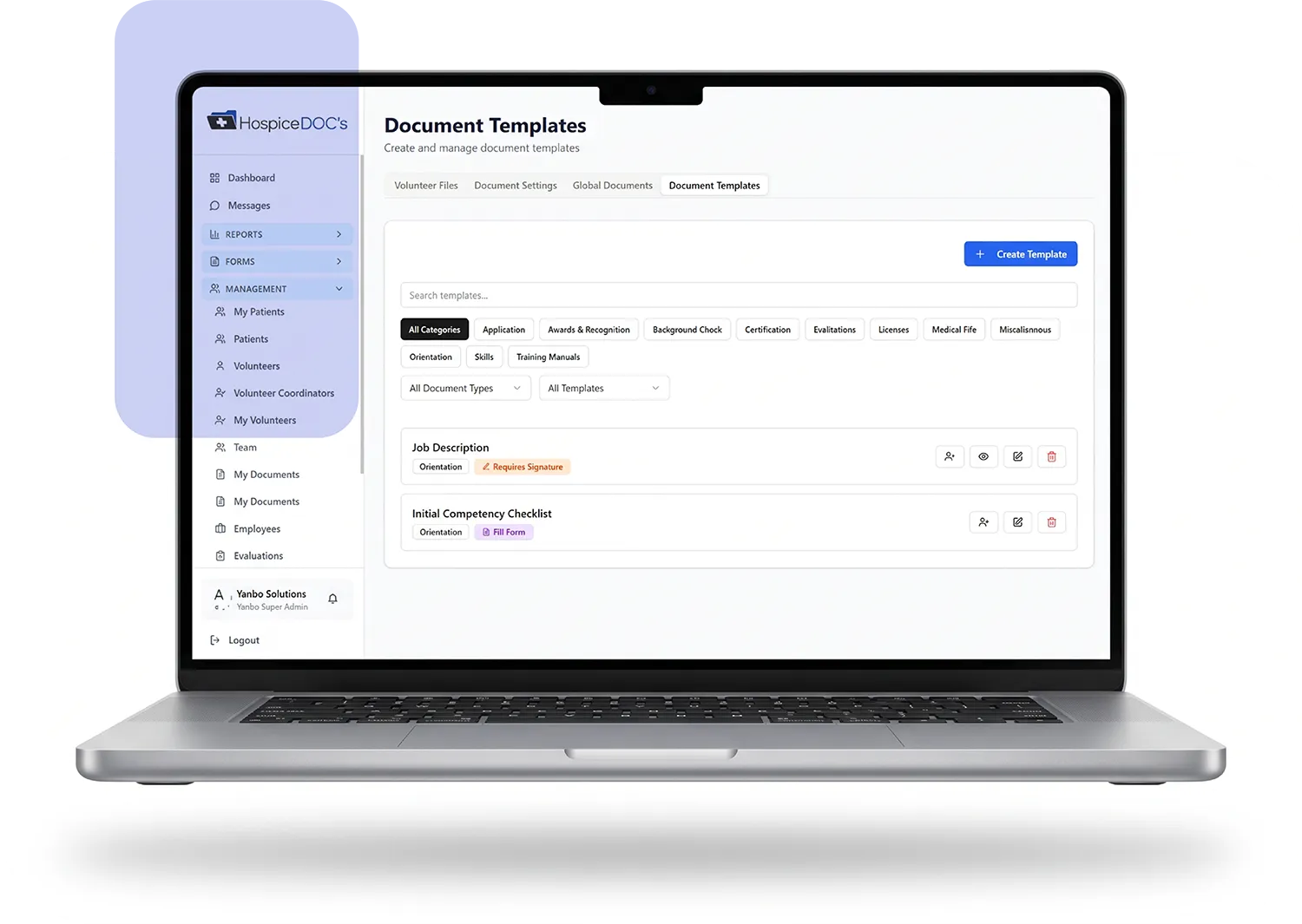
When onboarding, training, scheduling, documentation, activity tracking, and reporting are managed in one place, coordinators can spend less time searching for information or maintaining disconnected records.
The benefit goes beyond administrative convenience.
Time recovered from routine processes can be redirected toward the activities that depend most on personal interaction, including recruitment conversations, volunteer relationships, and ongoing engagement.
Technology cannot replace those responsibilities.
But it can help reduce the administrative work competing for the time needed to carry them out.

How Hospice Docs Supports
a More Organized Volunteer Program
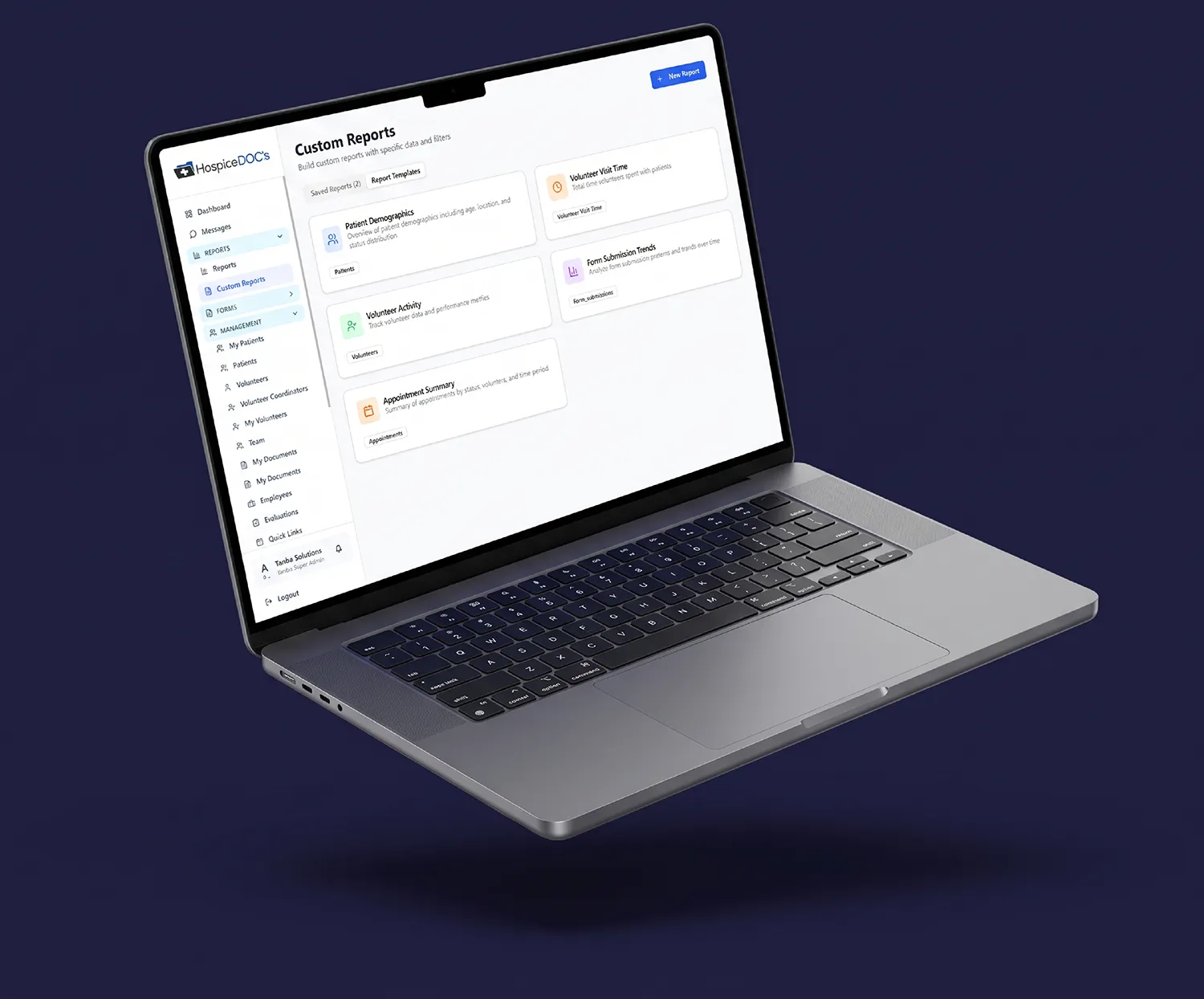
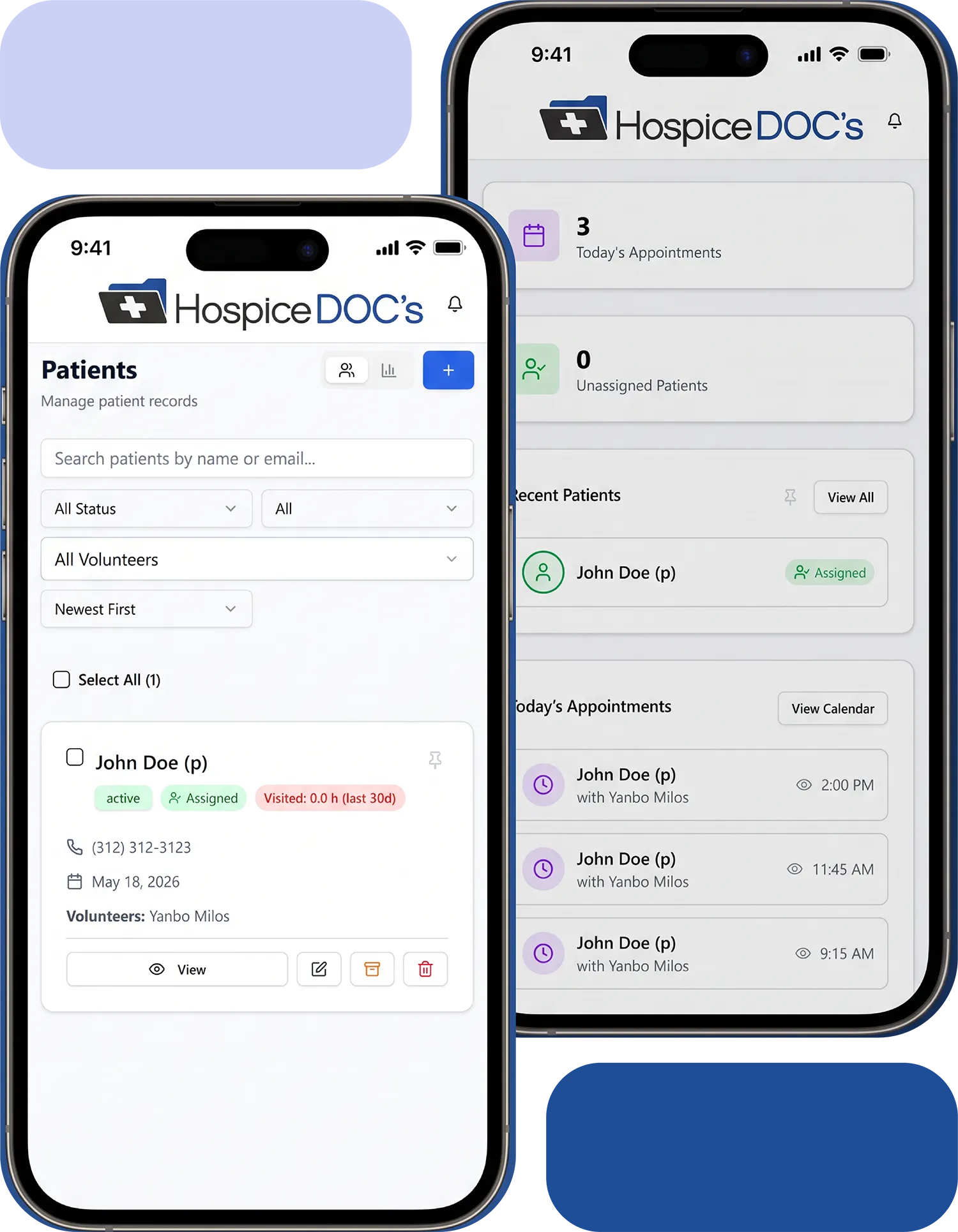
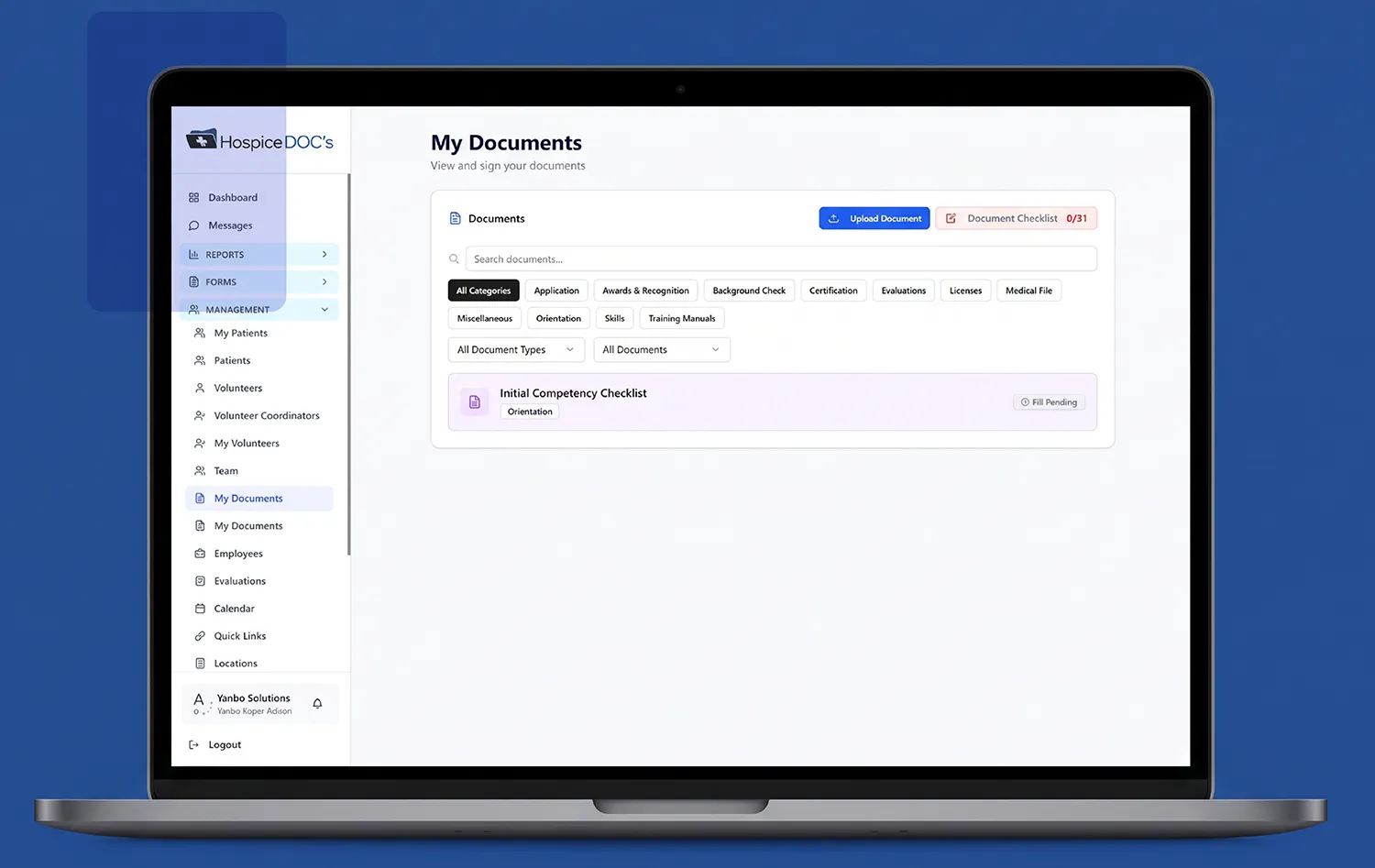
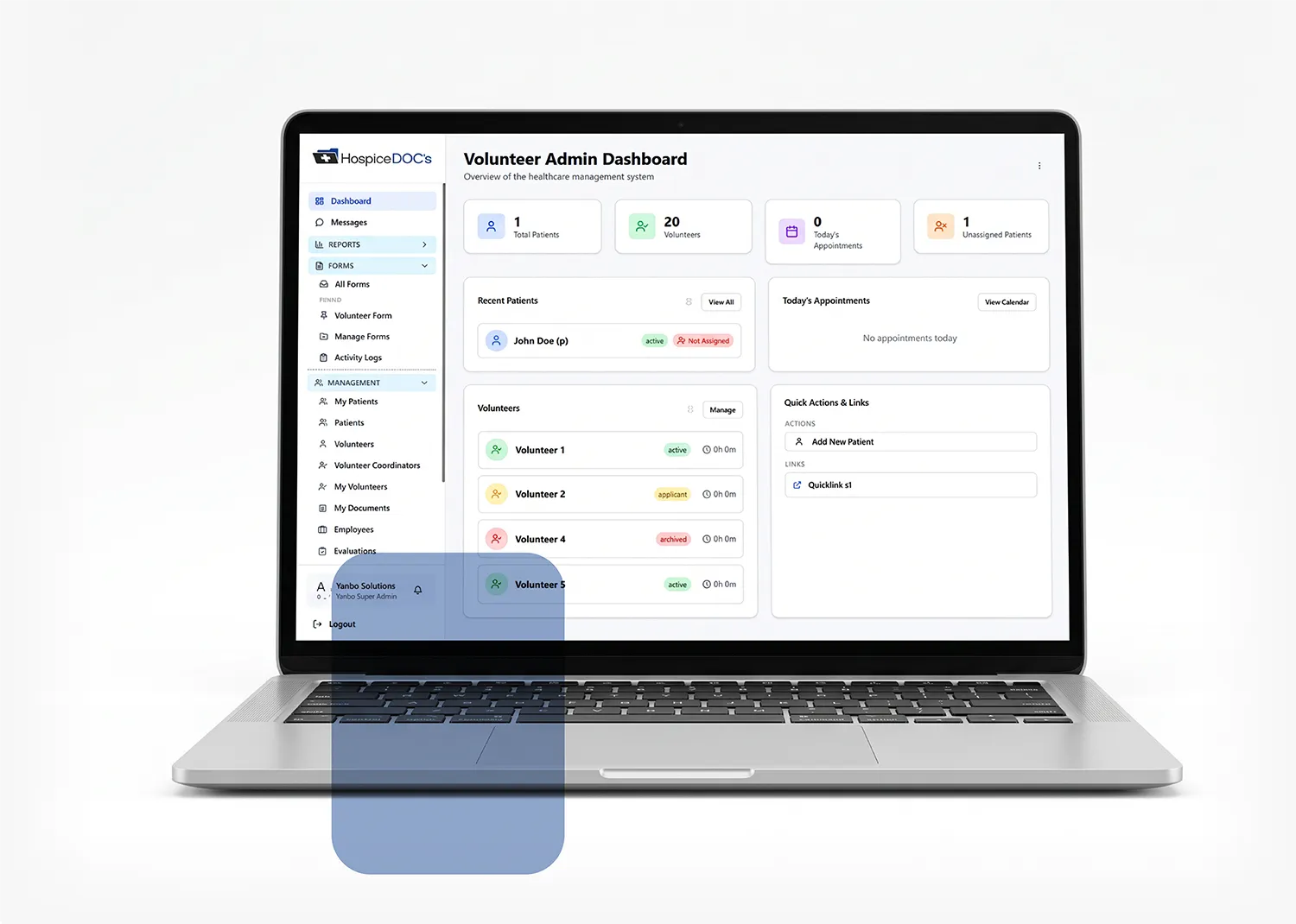
Hospice Docs was developed specifically for the daily responsibilities involved in hospice volunteer management. The platform brings volunteer onboarding, records, training, scheduling, activity documentation, volunteer hours, evaluations, and reporting into one organized application.
Prospective volunteers can begin the application process, while coordinators can track onboarding progress, manage required documentation, and maintain volunteer records as individuals become active.
Once volunteers begin serving, Hospice Docs helps coordinators manage assignments, schedules, activities, and reporting information within the same system.
This connected approach can reduce the need to maintain separate spreadsheets, calendars, and documents for different parts of the volunteer program. It can also give coordinators better visibility into volunteer activity and areas requiring follow-up.
Hospice Docs is not intended to replace community outreach, volunteer recognition, or the personal relationships that make recruitment and retention successful.
Instead, Hospice Docs helps reduce the administrative effort involved in managing volunteers, creating an opportunity for coordinators to focus more of their time on recruiting, engaging, and supporting them.

Building a Stronger
Hospice Volunteer
Program
A successful volunteer program requires more than attracting people who want to help.
It depends on moving interested individuals through onboarding, preparing them for meaningful assignments, maintaining communication, supporting continued participation, and documenting ongoing recruitment and retention efforts.
For Medicare-certified hospices, these responsibilities are both operationally important and part of the regulatory framework governing volunteer programs. Managing them effectively requires organization, consistency, and time.

The right systems can help reduce unnecessary administrative work, giving coordinators more opportunities to focus on the people who make hospice volunteer programs possible.
Because building a strong volunteer program is not just about recruiting more people. It is about helping them become involved, supporting their continued participation, and maintaining the relationships that keep the program strong.
See How We Simplify
Hospice Volunteer Management
Schedule a Free Demo!
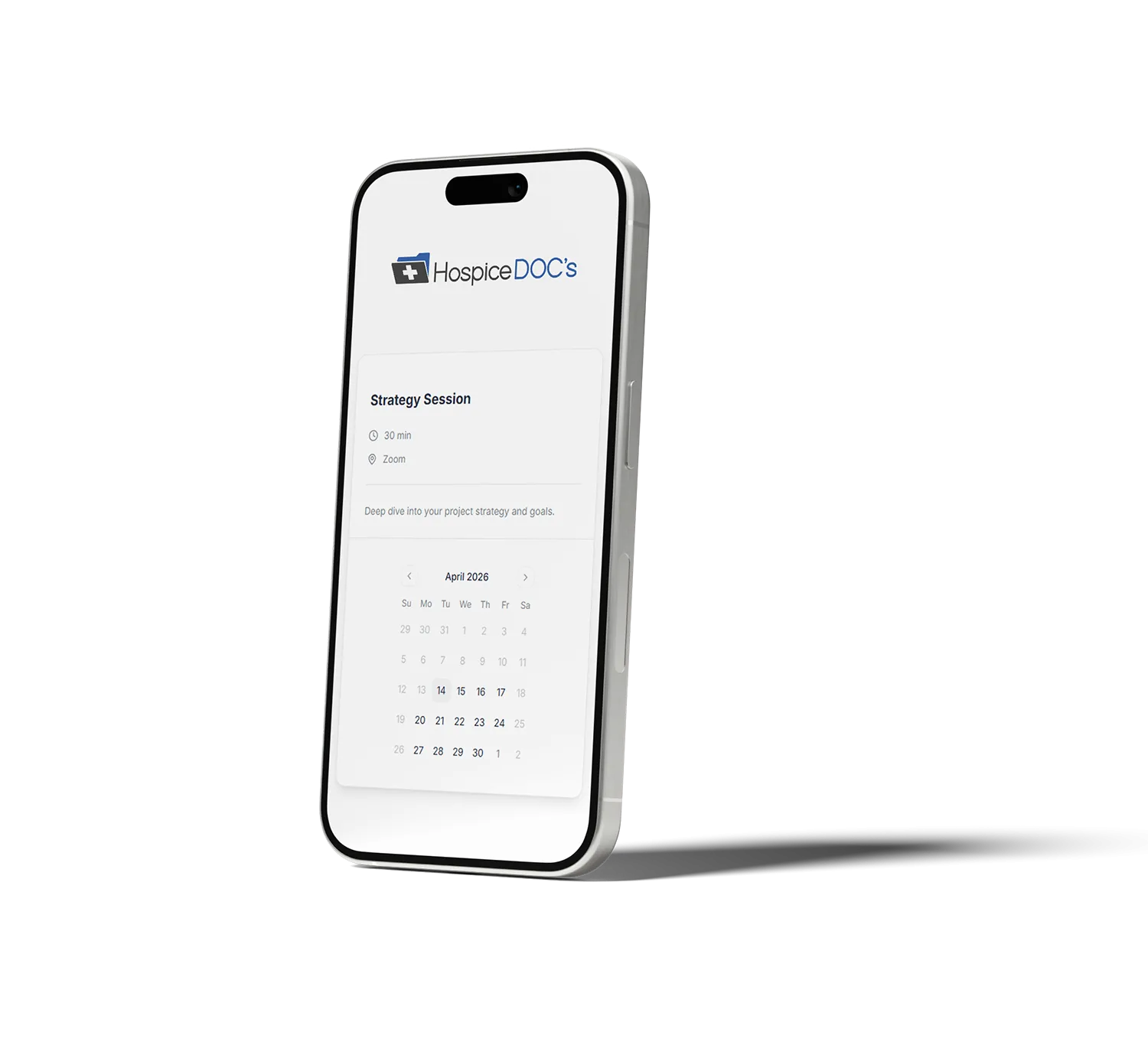
The easiest way to understand Hospice Docs is to see it in action.
What to Expect?
- A clear, step-by-step walkthrough
- Real examples based on hospice volunteer workflows
- Answers to your questions
- No pressure or commitment
No technical experience needed.
We’ll guide you through everything.

Ready to Simplify
Hospice Volunteer Management?
See how Hospice Docs can help your team reduce administrative work, stay organized, and manage your volunteer program more efficiently.